
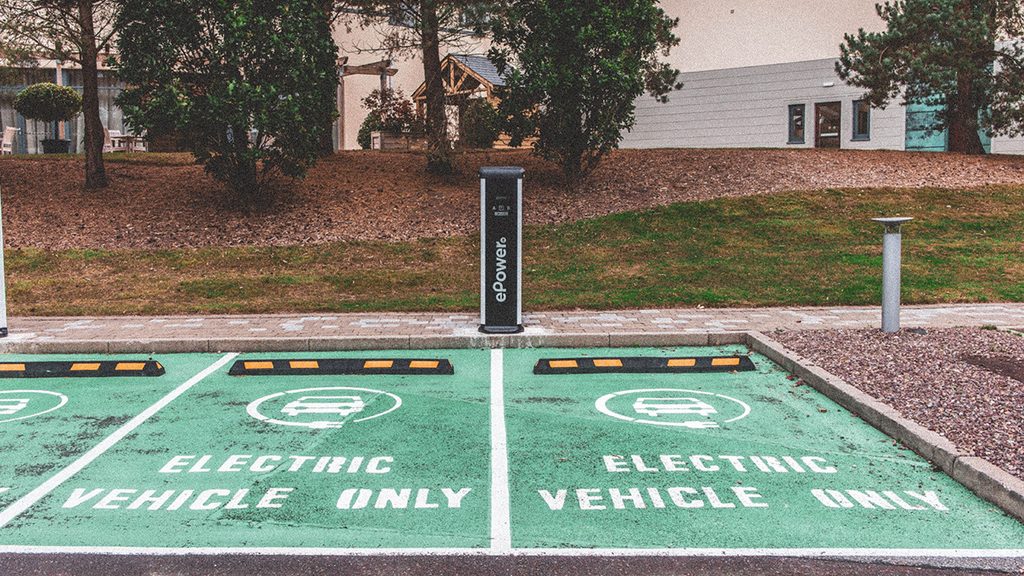
Our commitment to reducing carbon emissions from work travel
NCAS is committed to reducing carbon emissions associated with work travel and encourages staff to consider lower carbon travel options where practical and appropriate.
Our travel guidance aligns with our funder and partner sustainability objectives, and encourages staff to choose climate conscious travel options while maintaining safety, wellbeing and accessibility. This guidance outlines using electric vehicles (EV) for business travel:
Why choose an EV?
- Lower carbon emissions than traditional petrol or diesel vehicles
- Increasingly available through hire companies used for business travel
- Quiet, comfortable and easy to drive
- Suitable for most business travel journeys when planned in advance
Before you book
Follow the NCAS travel guidelines and consider these options:
- Can the meeting be attended virtually?
- Can multiple activities be combined into one trip?
- Choose the lowest carbon practical option
- Consider rail first where appropriate
- Use an EV when a hire car is required
EV journey planning
EV journeys are smoother with a little more planning.
It is recommended to know your route and plan any necessary charging stops, taking into consideration the charging facilities available. For longer journeys, plan to charge when the battery reaches around 20 – 30%, rather than waiting until it is very low.
Before travelling
- Check the expected journey distance
- Identify charging locations along the route and at your destination
- Allow extra time for charging stops on longer journeys
- Ensure there is a charging cable in the vehicle.
- Consider weather, load, traffic and motorway driving, which can reduce vehicle range
- Download charging apps in advance – many charging points now accept contactless payment, but having charging apps installed before departure can avoid delays
- Identify fast charging facilities on your route if you do need to stop on the way – this can be done using charging apps such as Zapmap
- Check charging options at your destination, many hotels will have on-site charging available
Charging options
- Rapid charging – typically used on motorways and major routes, and provides significant charge of up to 100 miles of range in 15-30 minutes
- Destination charging – slower charging at hotels or universities, ideal while attending meetings or staying overnight
Driving safely
- Driver wellbeing remains the priority, and NCAS guidance emphasises that travel decisions should consider staff safety and wellbeing at all times
- Many of our partners’ institutional policies recommend regular breaks to reduce fatigue – when planning your journey, build charging stops into rest breaks
Expenses and reimbursement
- Keep receipts for public charging where required by your host institution’s expenses process
- Follow your institutional expenses and travel procedures for reimbursement
- Ensure business travel is booked through approved channels where applicable
A few minutes of preparation can make business travel more straightforward, comfortable and low carbon – supporting both NCAS sustainability goals and the wider commitments of our funders and institutional partners to reduce travel emissions.