October 26, 2026
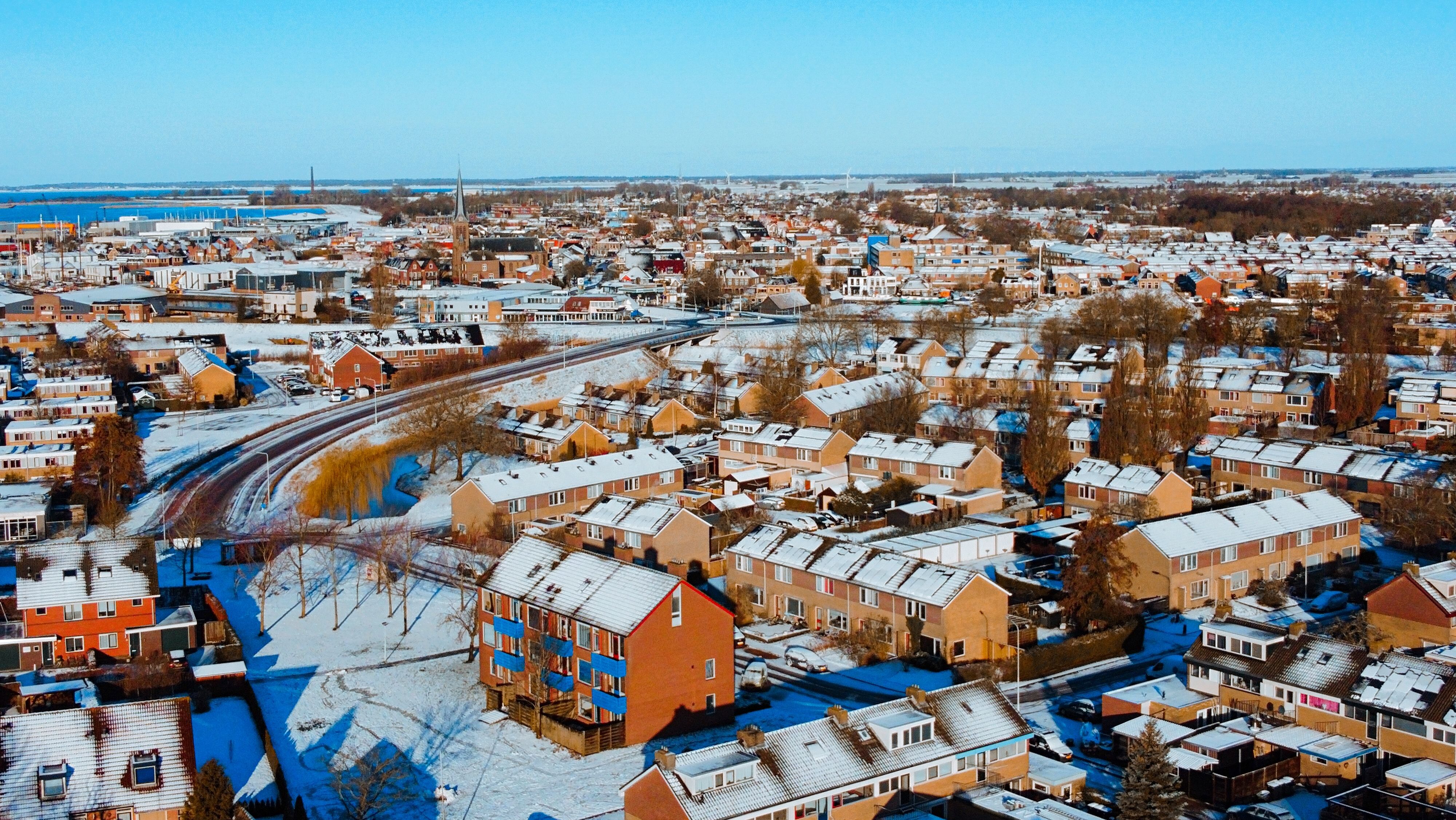
Cold spells are becoming milder and less frequent due to climate change
Global warming is making cold spells less frequent, less intense, and smaller across most of the Northern Hemisphere.

October 26, 2026
Global warming is making cold spells less frequent, less intense, and smaller across most of the Northern Hemisphere.
October 22, 2026
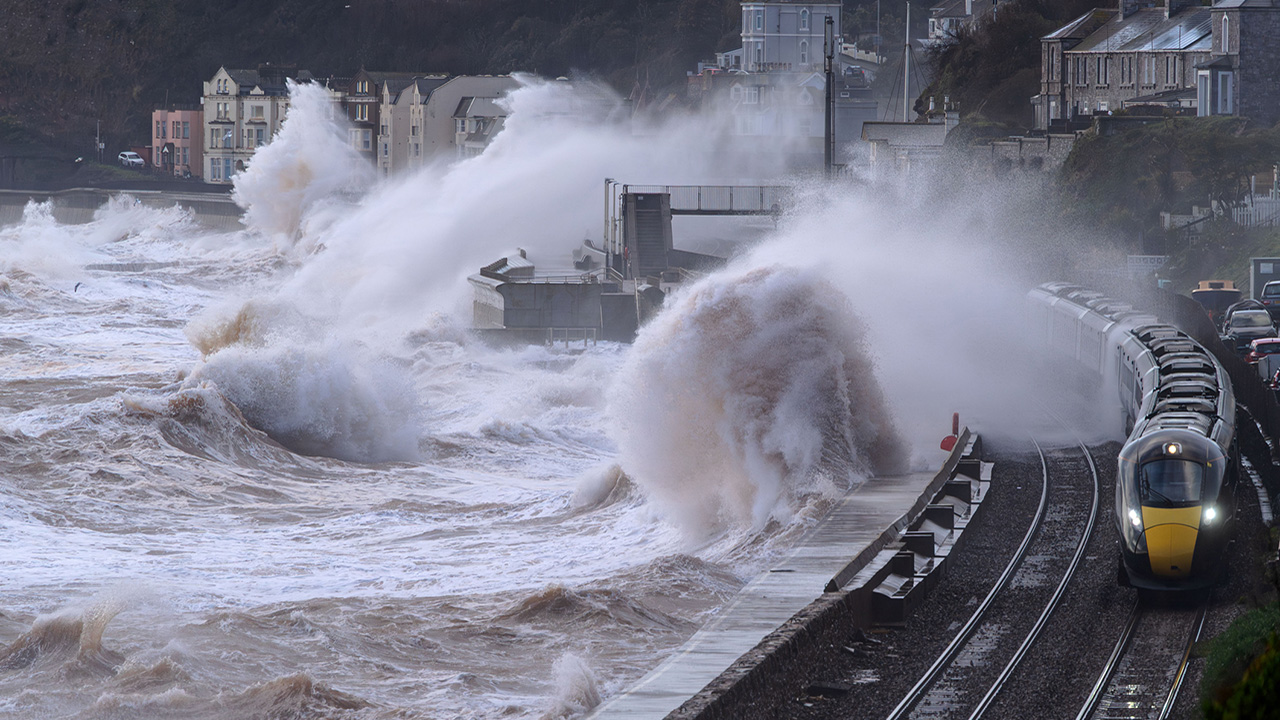
What is a storm, why are storms named, what causes storms in the UK, and what about climate change?

October 19, 2026
The National Centre for Atmospheric Science has been awarded a Silver Talent Inclusion and Diversity Evaluation (TIDE) Award.

October 16, 2026
World Menopause Day is an opportunity for us to raise awareness, start conversations, and make sure everyone feels supported at work.

October 15, 2026
Applications are now open for our Summer Training in Observation, Research, and Modelling, coming in May 2027.
October 12, 2026
A new public dialogue will explore how people across the UK think about atmospheric science and its future priorities, led by NERC and Sciencewise.

October 7, 2026
Explore the history behind everyday words like temperature, storm, and forecast.

October 7, 2026
Applications are now open for our Introduction to Atmospheric Science course, coming in February 2027.
October 1, 2026
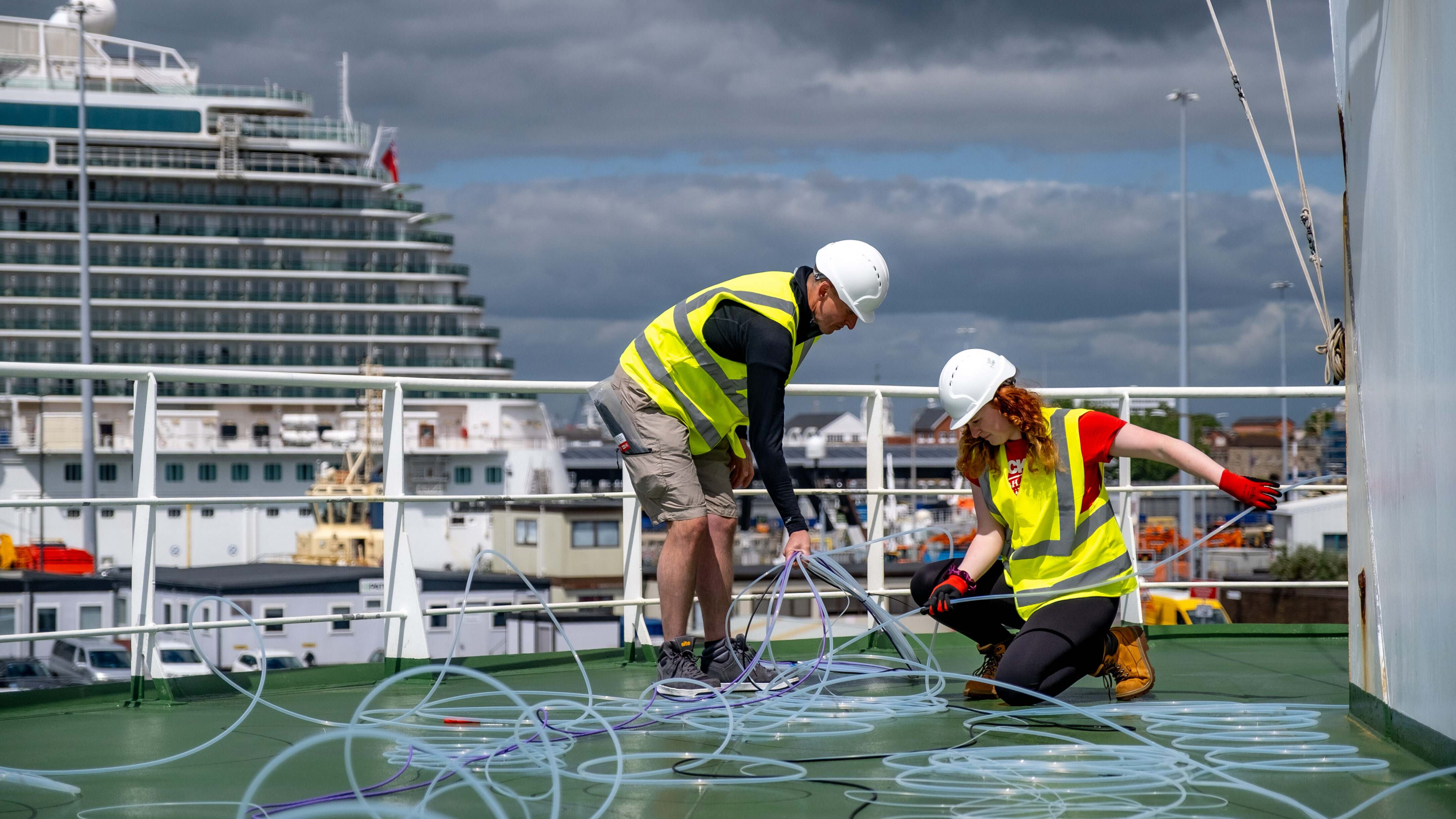
An international ocean expedition investigates how remote ocean environments influence the Earth’s atmosphere and climate system.

September 29, 2026
Dr Ioana Colfescu and Dr Akshay Deoras participated in an expert roundtable about the likely impacts of El Niño over the coming year.
September 15, 2026
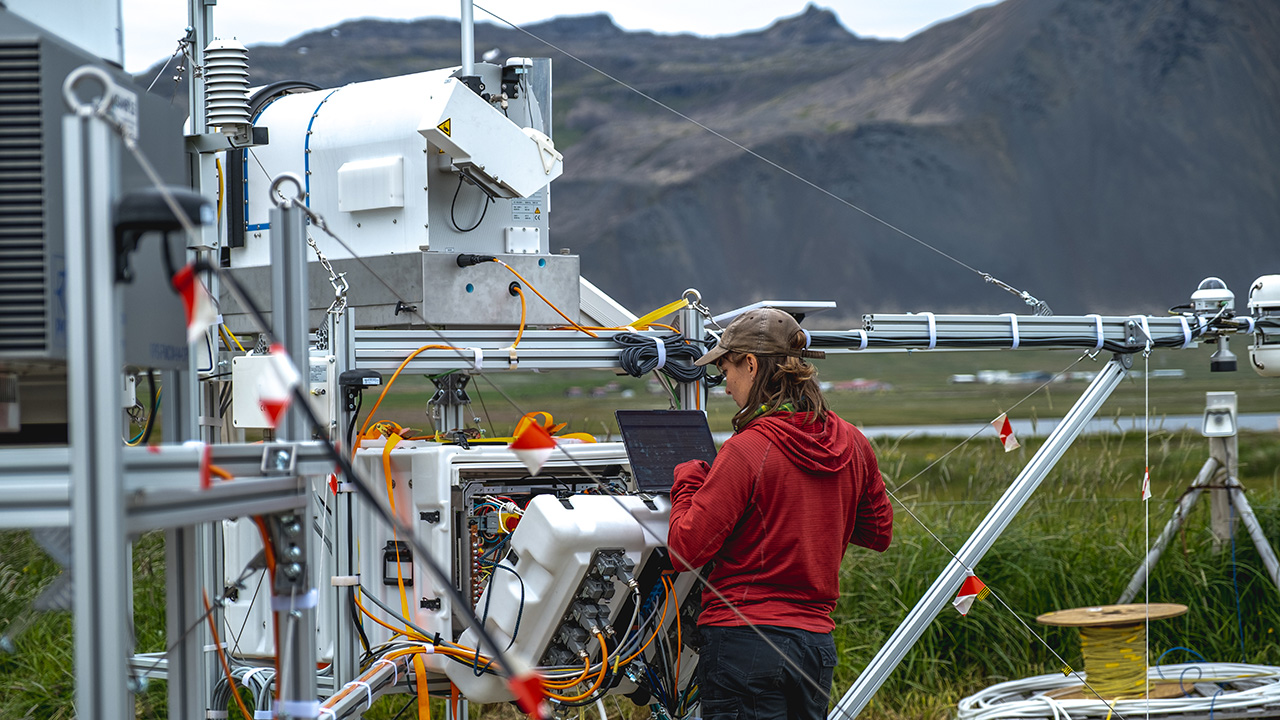
We are looking for a Head of Observations to lead and shape the future of NCAS’s atmospheric measurement and observational science capability.
September 3, 2026
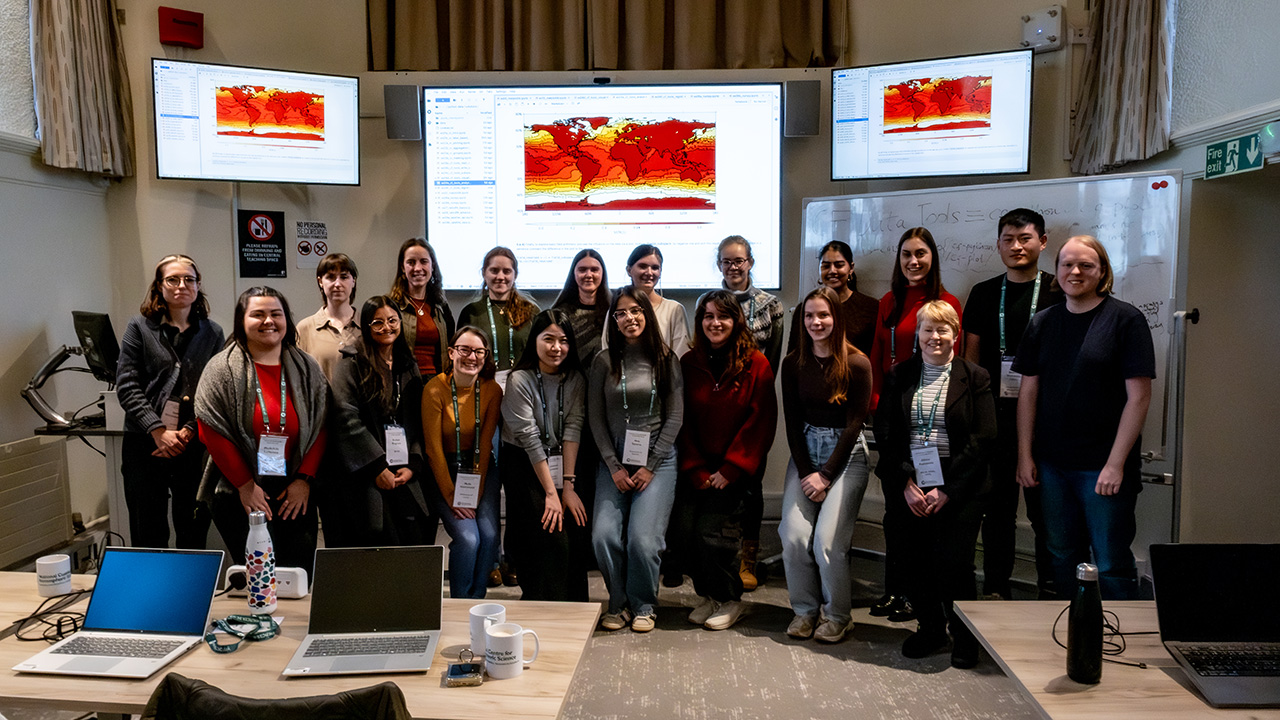
Applications are now open for our Introduction to Scientific Computing course, coming in January 2027.