
Airborne observations detect methane spikes from oil shuttle tankers
New research reveals previously unreported methane emissions during North Sea oil loading operations.
A research team led by the National Centre for Atmospheric Science has, for the first time, directly measured methane emissions released during shuttle tanker oil loading operations in the UK’s North Sea – revealing a potentially significant source of greenhouse gas emissions.
Drone and research aircraft capture methane emissions
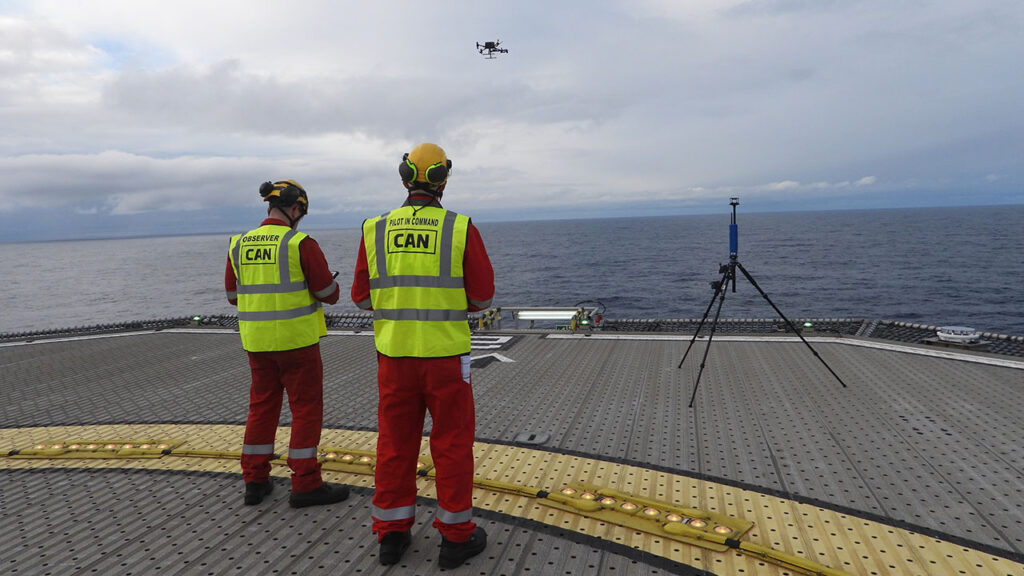
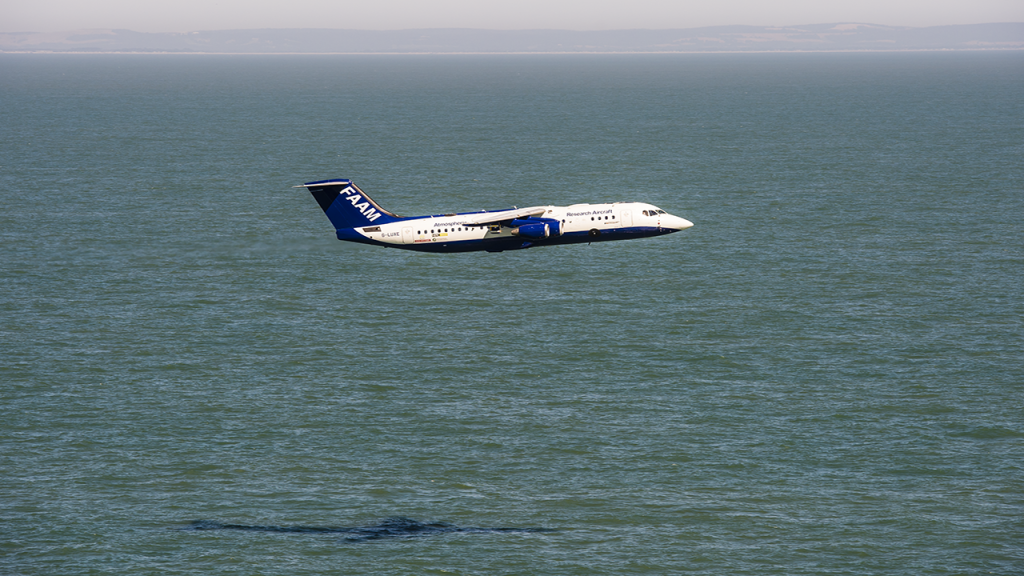
The study, published in RSC Environmental Science: Processes and Impacts, used coordinated measurements from the FAAM Airborne Laboratory and a specialised methane‑sensing drone operated by Seekops Inc.
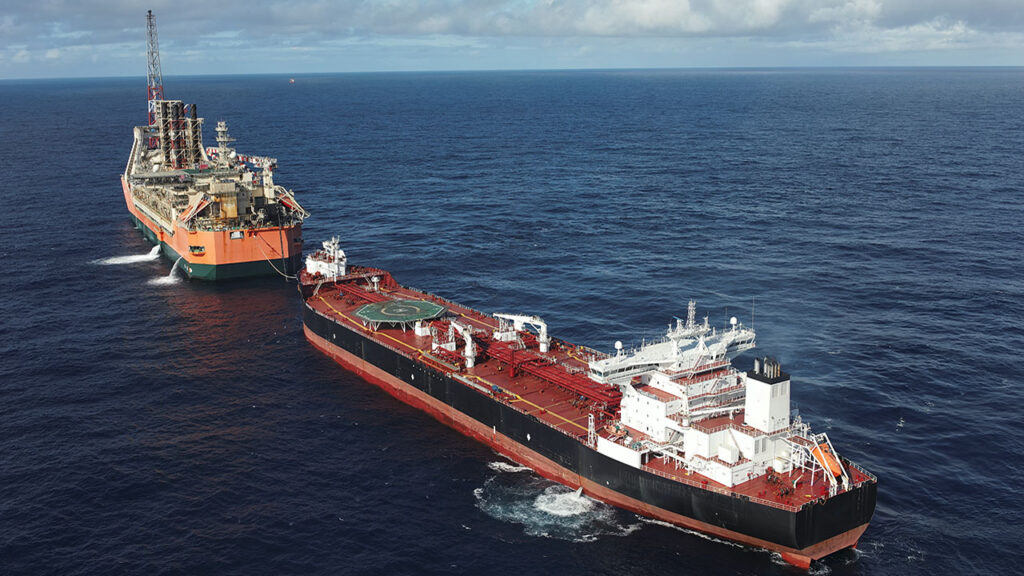
Together, the research aircraft and drone captured methane emissions throughout the entire lifecycle of oil transfer from a Floating Production Storage and Offloading (FPSO) vessel to a shuttle tanker.
This combined approach represents the first assessment of methane emissions during the full shuttle‑tanker loading cycle, filling a major gap in global emissions monitoring.
Methane spikes detected during oil loading
The research team observed clear spikes in methane concentrations during periods when the shuttle tanker was connected and loading oil. The enhanced methane emissions range from 230kg per hour to 500kg per hour, as observed by the drone and the research aircraft respectively.
When considering the time it takes to load the oil, and the typical number of tanker visits in a year, these emissions could represent an additional 5-47% methane on top of what the FPSO reports through the UK Environmental and Emissions Monitoring System (EEMS).
This is particularly important for UK and global inventories, as it is currently unclear how the offloading emissions are reported and could represent significant amounts of unregulated methane being emitted to the atmosphere.
Methane emissions from shuttle tankers matter
Methane is a potent greenhouse gas with more than 80 times the warming effect of carbon dioxide over a 20‑year period. Although methane emissions from oil and gas production are widely studied, methane gas venting during shuttle‑tanker oil loading has been poorly understood until now.
The research highlights that tankers release methane through the mast riser vent system when excess vapour needs to be expelled during loading. These emissions are intermittent and difficult to detect using satellites due to short time windows, cloud cover, and the challenges of remote sensing over water.
Using the current emissions factor (0.000017 kg methane per tonne of oil) in the UK reporting system EEMS, the FPSO in our study would report only 0.6 kg of methane per loading event, whereas our real‑world drone and aircraft measurements indicate emissions hundreds of times larger.
– Dr Ruth Purvis, a research fellow at NCAS and the University of York.
These findings arrive at a time when accurate methane accounting is critical for meeting national and international climate goals. The UK’s Net Zero Strategy includes targets to reduce methane emissions from energy systems by 68% by 2030.
The United Nations Environment Programme’s International Methane Emissions Observatory (UNEP’s IMEO), which funded the study, has highlighted a persistent gap between measured emissions and industry reporting. With FPSO usage expanding globally, and with more than 270 vessels in operation worldwide, this research suggests that global methane inventories may be missing an entire class of emissions associated with oil loading operations – especially since most shuttle tankers are not required to operate vapour recovery units. The study also points to the importance of measurements for accurate emissions reporting.
“As we move towards a net zero future, it is important that all methane emissions are routinely and correctly calculated and reported,” adds Dr Ruth Purvis.
About the research team
The research team was led by the National Centre for Atmospheric Science, and involved people at the University of York, University of Manchester, University of Leeds, SeekOps Inc, Royal Holloway University of London, USA Environmental Defense Fund, and Ricardo. With support from the Offshore Petroleum Regulator for Environment and Decommissioning and platform operators. Funding through UNEP’s International Methane Emissions Observatory.