In-flight atmospheric data
The FAAM Airborne Laboratory was a world-class research facility dedicated to the advancement of atmospheric science, managed by the National Centre for Atmospheric Science and funded by the Natural Environment Research Council. It ceased operation on 31 March 2026.
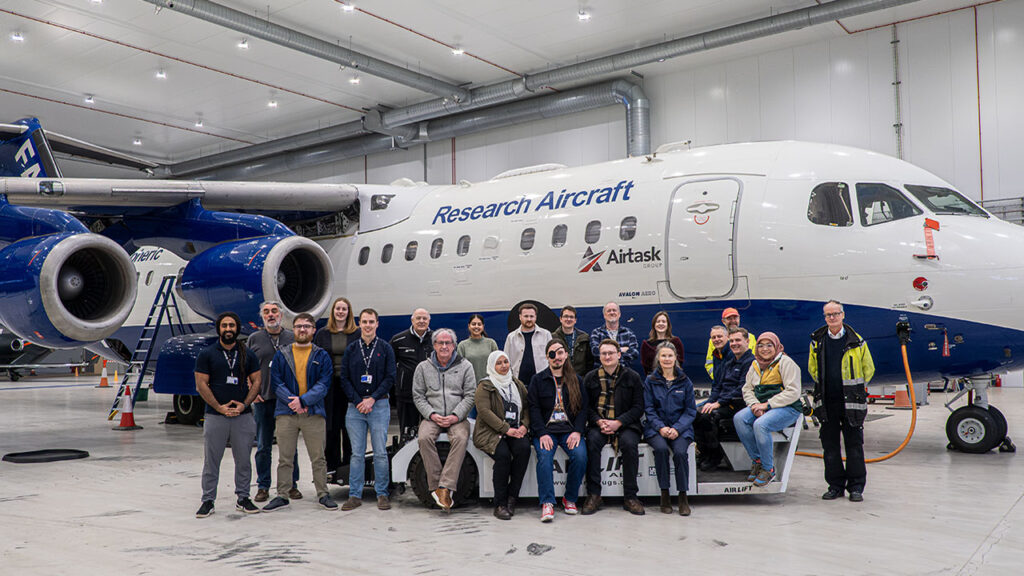
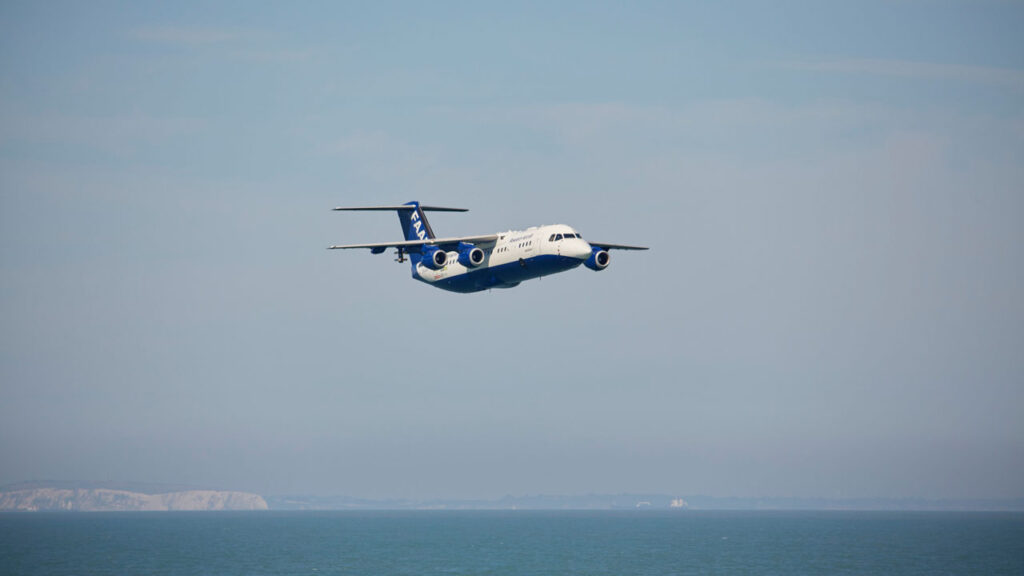
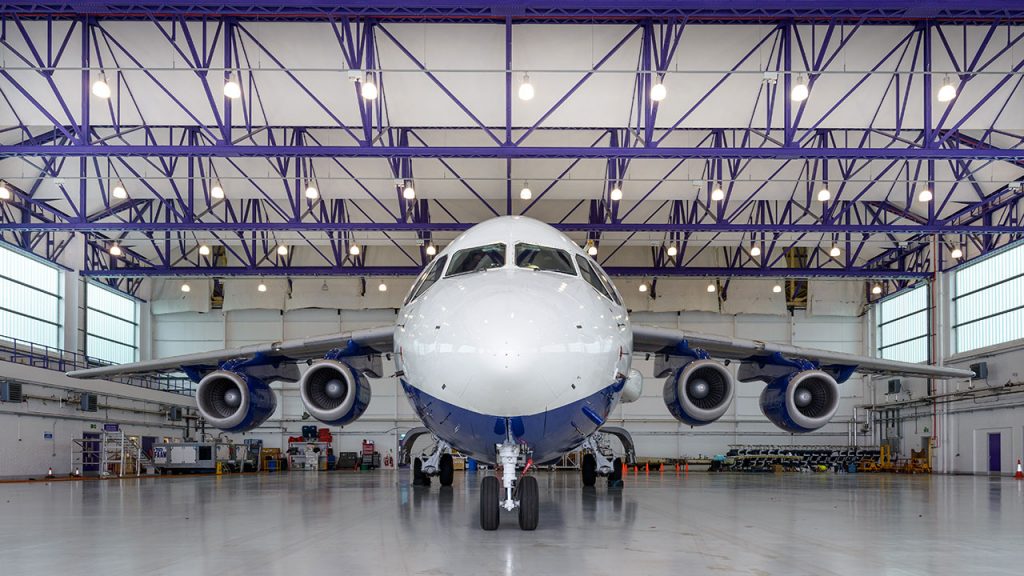
The FAAM Airborne Laboratory operated a specially adapted research aircraft to make cutting-edge measurements in the atmosphere, almost anywhere in the world, for 22 years. The aircraft was managed by a unique team of scientists, engineers, flight technicians and project managers, who provided a complete package of support for the scientific community. BAE Systems, Avalon Aero, Airtask, Cranfield Airport and Cranfield University all played a part in maintaining the airborne measurement capability.
The FAAM Airborne Laboratory served scientists working in UK universities and at the Met Office. The facility also carried out work for UK government bodies, commercial organisations, and international research bodies. The facility’s work was highly varied, from supporting public-funded science projects, investigating aircraft environmental impact, or testing new aircraft systems.
Over two decades, the FAAM Airborne Laboratory supported over 120 science projects, reaching six continents and more than 30 countries, working alongside 170 partner organisations worldwide. These collaborations enabled scientists to explore the atmosphere in extraordinary detail – from storm processes and cloud physics to greenhouse gases, pollution sources, and the dynamics of weather systems.
The FAAM community’s collective work has produced a lasting scientific legacy. Data collected by FAAM has contributed to over 500 publications and fed directly into major climate, weather, and air pollution models and government policies in the UK and internationally. In times of urgent need – during volcanic eruptions, industrial incidents, and environmental crises – FAAM’s unique capabilities delivered vital insights that informed national responses and protected people and places.